


You pick an aisle seat, settle in, and expect your setup to work the same. Same pillow, same position.
It doesn’t.
Support breaks faster. Your head drifts sooner. You keep adjusting every few minutes.
It’s not the pillow suddenly failing. It’s the seat.
Aisle seats quietly take away the one thing that keeps most setups stable. Once that’s gone, the weakness in almost every travel pillow shows up immediately.
This is the part most people miss.
This is about seat geometry, not comfort.
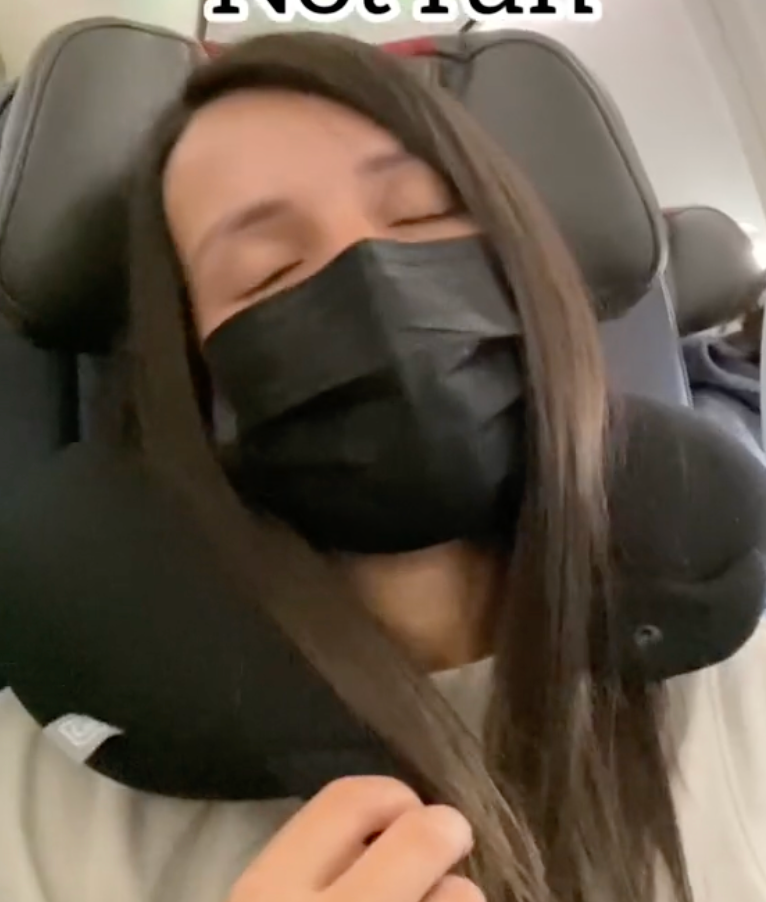
Category: Travel Pillows
Author: Product Developer (Independent, No Sponsorships)
Written by a product developer who reviews travel gear with zero sponsorships.
Clear, technical breakdowns of materials, ergonomics, and real-world use.
Table of Contents
- Why Aisle Seats Break Travel Pillow Support
- The Missing Support Wall
- Why Your Head Drops Faster
- Why Most Travel Pillows Fail Here
- When Aisle Seats Still Work
- What Actually Works in Aisle Seats
- Final Verdict
Why Aisle Seats Break Travel Pillow Support
The setup looks the same. It isn’t.
You switch from a window seat to an aisle and expect everything to work the same. Same pillow, same position.
It still doesn’t work.
What actually changes
In a window seat, part of your upper body ends up resting against the wall (this is exactly why window seats tend to work better for sleep). You don’t think about it, but it’s doing a lot of the work.
It gives your body something to lean into, even if it’s subtle.
In an aisle seat, that’s gone. There’s nothing next to you. No surface, no resistance, nothing to settle against.
Why things fall apart faster
Without that side support, small movements don’t get absorbed anymore. Your head shifts, your body corrects, and it keeps repeating.
The pillow isn’t worse. It just lost what was helping it work.
That’s why the same setup starts breaking down much faster in an aisle.
This is the same failure pattern you see in most travel pillow designs once external support disappears.
The Missing Support Wall
The wall does more than you think
In a window seat, the wall isn’t just where your head ends up. It becomes part of the support system.
Your shoulder settles into it first. Then your upper body follows. That contact point quietly limits how far you can shift to the side, even when you’re not paying attention.
It’s not perfect support. But it’s enough to keep everything from drifting.
What disappears in an aisle seat
In an aisle seat, that reference point is gone.
Your shoulder has nowhere to settle. Your upper body isn’t anchored to anything. Every small movement has to be corrected instead of absorbed.
This is where shoulder drift starts, and why your head ends up falling forward instead of staying upright.
How instability builds
At first, it feels fine.
Then your shoulder shifts slightly. Your head follows. You correct it. Then it happens again.
Without lateral support, nothing holds the position in place. The pillow isn’t failing on its own. It’s just exposed.
That’s why the same setup feels stable in a window seat and unpredictable in an aisle.
Why Your Head Drops Faster
It starts small
Your head doesn’t drop all at once. It starts with small shifts.
A slight lean. A tiny forward dip. The kind of movement you don’t even notice at first.
There’s nothing to catch it
In a window seat, something usually stops that movement early. Even a small lean hits the wall.
In an aisle seat, nothing does.
Your head just keeps going a little further than it should.
The correction loop
So you fix it.
Your head drops, you bring it back. A minute later, it happens again. Then again.
You don’t think about it. You just keep correcting it.
That’s when it starts to feel unstable.
The pillow isn’t suddenly worse. It just has nothing to work against.
That’s why your head drops faster in an aisle seat, even with the exact same setup. It’s the same reason airplane seats naturally push your head forward over time.
Why Most Travel Pillows Fail Here
Soft support gives way
Most U-shaped pillows are built to feel comfortable, not to hold your head in place (you can see this clearly in typical U-shaped designs like BCOZZY).
The foam is soft, the sides compress, and the fit is usually loose. That’s fine when something else is helping you stay still. In an aisle seat, nothing is.
So instead of stopping movement, the pillow just follows it.
Loose fit makes it worse
A lot of pillows don’t really stay where they are.
They sit around your neck, but they’re not anchored to anything. As soon as your head shifts, the pillow shifts with it.
Now you’re not just correcting your head. You’re fixing the whole setup every few minutes.
Built for support they don’t control
Most designs quietly rely on something else doing part of the work. A seat, a wall, something to lean into. Even more structured designs can struggle here if they rely on positioning rather than actual hold.
Take that away, and the limits show up fast.
The pillow isn’t broken. It just wasn’t built to handle a fully unsupported position on its own.
That’s why aisle seats expose problems you don’t notice anywhere else.
When Aisle Seats Still Work
Aisle seats don’t fail for everyone.
If your pillow wraps tightly and actually holds your head in place, it can still work. Some structured designs limit movement enough to stay stable, even without side support.
It also helps if you don’t move much when you sleep. If you tend to stay in one position, there’s less to correct in the first place.
Leaning slightly forward can work too. Resting into your own body creates a bit of support, which replaces some of what the seat isn’t giving you.
It’s not as stable as a window setup. But sometimes, it’s good enough.
What Actually Works in Aisle Seats
Keep the support attached to you
In an aisle seat, anything that moves independently stops working fast.
Pillows that stay connected to your body hold up better. Tighter wraps, scarf-style designs, anything that doesn’t shift every time your head does.
If it sits loosely, it won’t last.
Stop chasing side support
You don’t really get side support here.
Trying to recreate it usually just turns into more adjusting. What works better is leaning slightly forward, even a little.
Resting into your own chest or arms gives your head something to settle against. It’s not comfortable in the usual way, but it’s more stable.
Make the setup easier to hold
The goal isn’t to find perfect support. It’s to stop the constant corrections.
If your head moves less, everything feels more stable. Small things like how tight the pillow sits or how your shoulders are positioned matter more than switching to a different product.
In an aisle seat, you’re not adding support. You’re trying to control movement.
Final Verdict
Aisle seats don’t make travel pillows worse. They just take away the support that was quietly helping them work.
Aisle seats don’t break pillows. They expose them.
If your setup relies on something to lean against, it will fall apart faster here. If the support comes from your body and actually holds your head in place, it can still work.